Every year, millions of dogs and cats enter shelters and rescue organizations across the country, and every year, a portion of those animals leave with new families thanks to a simple decision: someone chose adoption over a breeder or pet store. It turns out that the people who make headlines can play a surprisingly powerful role in nudging that decision along. When a well-known actor, musician, or athlete shares a photo of their new rescue dog or talks openly about fostering kittens, it reaches audiences that shelters themselves often struggle to reach. Understanding why these stories resonate can help animal welfare advocates use them more intentionally.
Why Celebrity Adoption Stories Spread So Far
Celebrities have built-in audiences that stretch into the millions, and a single social media post about a rescue pet can travel further in a day than a shelter’s entire annual outreach budget could manage. But reach is only part of the equation. What makes these stories effective is relatability. A famous actor sitting on the floor with a scruffy shelter dog looks a lot like anyone’s living room. The message underneath the glamour is simple: this could be your dog too. That combination of visibility and everyday warmth is what turns a passing social post into a genuine nudge toward adoption.
A Well-Known Example Worth Learning From
Actress Kaley Cuoco, widely known for her television career, has been publicly associated with animal rescue for years, regularly sharing that her household includes multiple rescue dogs alongside other rescued animals. She has spoken in interviews about her longtime love of animals and her preference for adopting rather than buying pets. Readers who want more background on her public life and career can find additional coverage through Optibuzz.lt, a celebrity news and biography site. What matters for animal welfare purposes is not the celebrity spotlight itself, but the consistent, low-key modeling of a behavior: when a beloved public figure treats adoption as the obvious first choice, it quietly normalizes that choice for everyone watching.
From Inspiration to Action
A viral photo alone rarely fills out an adoption application. The real value of celebrity stories is that they lower the emotional barrier to walking into a shelter in the first place. Many people assume rescue animals come with unknown behavioral issues, health problems, or a long list of restrictions. Seeing a public figure casually living with a happy, well-adjusted rescue pet chips away at that assumption. Shelters and rescue groups can build on that opening by making sure the next steps are easy to find, including:
Clear, simple online applications that do not feel like a background check
Photos and honest write-ups of adoptable animals, including their quirks
Foster-to-adopt options for people who are not ready to commit right away
Volunteer opportunities for those who want to help before they are ready to bring an animal home
When the emotional spark from a feel-good story meets a genuinely easy process, that is when interest turns into an actual adoption.
Fostering Deserves the Spotlight Too
Adoption tends to get most of the attention, but fostering is just as important to a functioning rescue system, and it is an area where public figures can have an outsized impact. Fostering asks less of a person than permanent adoption does, which makes it an approachable entry point for someone who loves animals but is not ready for a lifelong commitment. When someone in the public eye talks about fostering a litter of kittens or a senior dog recovering from surgery, it introduces an option that many people simply do not know exists. Shelters that are chronically over capacity depend on a steady supply of foster homes to free up space for the next animal in need, so every story that normalizes fostering has a ripple effect well beyond the one household involved.
What Everyday Advocates Can Take From This
You do not need a large platform to apply the same principle. Neighbors, coworkers, and family members watch each other’s choices in much the same way fans watch celebrities, just on a smaller scale. Sharing your own rescue pet’s story, posting honestly about the adjustment period, or simply mentioning that your dog came from the local shelter can plant the same seed a celebrity post does. The core lesson from high-profile adoption stories is not that fame sells a message better than sincerity does; it is that visibility, repeated consistently, changes what people consider normal. A shelter dog curled up on a couch, whether that couch belongs to a household name or the family next door, tells the same story: rescue animals make wonderful companions, and there is always room for one more good home.
Keeping the Focus on the Animals
It is worth remembering that celebrity involvement is a tool, not the point. The animals waiting in kennels and foster homes do not care who inspired their new family to walk through the door. What matters is that the door opened. Local shelters and rescue groups can borrow the same techniques that make celebrity stories effective, honest storytelling, visible before-and-after moments, and an easy path to action, without needing a famous face at all. If a well-known name happens to give that message a wider audience along the way, that is simply a bonus on top of the real work: matching animals in need with people ready to love them.
If you’ve been searching for healthy homemade dog food recipes vets recommend, you’ve likely discovered the hard truth: the internet is full of recipes that look wholesome but fall dangerously short on nutrition. According to a peer-reviewed evaluation published in veterinary nutrition literature, only 9 out of 200 home-prepared dog food recipes found online met all nutrient recommendations for adult maintenance — and the vast majority had multiple deficiencies. The good news is that with the right framework, real ingredients, and targeted supplementation, home cooking can be a safe, rewarding way to feed your dog.
In ShortHealthy homemade dog food recipes vets recommend are built on a 50% lean protein, 25% complex carbohydrate, and 25% vegetable framework, always paired with a vet-formulated calcium source and a recipe-specific vitamin-mineral supplement. Only 9 of 200 recipes evaluated in peer-reviewed veterinary nutrition research met all adult-maintenance nutrient standards without supplementation. For long-term feeding, consult a board-certified veterinary nutritionist (DACVN) via the American College of Veterinary Nutrition.
Why Vets Have Strong Opinions About Homemade Dog Food
Veterinary nutrition has evolved significantly since the first commercial dog foods appeared in the late 19th century. For most of the 20th century, dogs were fed table scraps and home-cooked meals without formal nutritional guidelines. The establishment of the Association of American Feed Control Officials (AAFCO) nutrient profiles in the latter decades of the century gave the pet food industry — and home cooks — a formal benchmark for “complete and balanced” diets. Today, AAFCO profiles remain the foundational reference standard for both commercial and home-prepared canine diets.
The reason vets care so deeply about homemade dog food recipes is straightforward: nutrient deficiencies in dogs develop slowly, often showing no signs for months or years. By the time a dog presents with symptoms of calcium deficiency, iodine shortfall, or choline insufficiency, significant physiological damage may already have occurred. Veterinary research consistently identifies these three nutrients — calcium, iodine, and zinc — as the most commonly deficient in home-prepared recipes, according to peer-reviewed nutrient analyses of online recipes.
Recipes meeting all adult nutrient standards9 of 200 (veterinary nutrition peer-reviewed evaluation)
Most common nutrient deficit in homemade dietsCalcium (veterinary nutrition research)
Recommended food portions per 10 lbs body weight~1 cup prepared food (veterinary guidance)
Safe refrigerator storage for homemade dog food3–4 days (veterinary safety guidance)
The Core Formula Behind Healthy Homemade Dog Food Recipes Vets Recommend
Across veterinary nutrition sources, a consistent structural framework emerges for homemade dog food recipes vets recommend. The Urbana Veterinary Clinic describes a balanced homemade recipe as one built from a cooked protein source, a digestible carbohydrate, cooked vegetables, and a source of healthy fat. Most vet-oriented guidance translates that into a practical ratio:
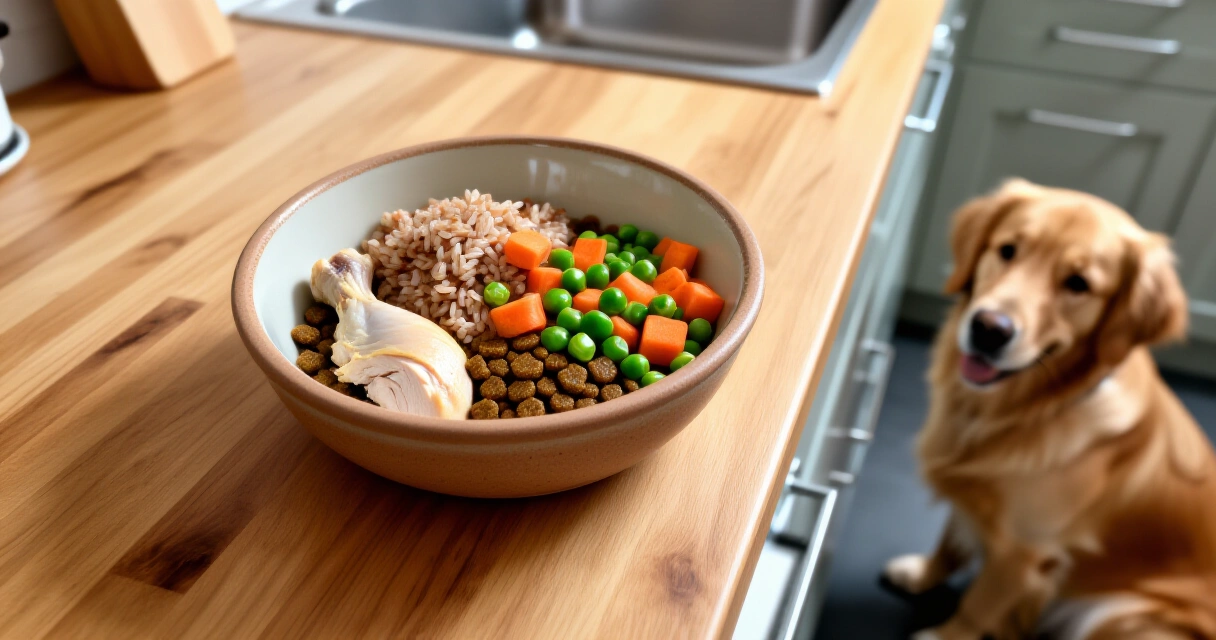
~50% protein-rich ingredients — lean meats such as skinless chicken, ground turkey, lean beef, or fish
~25% complex carbohydrates — brown rice, cooked sweet potato, or plain pasta
~25% vegetables — carrots, green beans, peas, cooked broccoli, or pumpkin
Supplements — a recipe-specific vitamin-mineral supplement plus a measured calcium source
This ratio is a starting point, not a fixed rule. Dogs with allergies, gastrointestinal conditions, kidney disease, or specific breed predispositions need individualized formulation — and that is where a board-certified veterinary nutritionist becomes essential.
Important to KnowA recipe being labeled “vet-approved” online does not guarantee it is nutritionally complete. Peer-reviewed research shows that even recipes attributed to veterinary sources frequently lack calcium, iodine, zinc, or choline. Always verify with a board-certified veterinary nutritionist (DACVN) for long-term feeding plans.
Vet-Recommended Ingredients: What to Include (and Avoid)
Safe and Nutrient-Dense Proteins
Turkey and chicken are among the most commonly featured proteins in healthy homemade dog food recipes vets recommend, because they are lean, easy to fully cook, and well-tolerated by most dogs. Salmon and other fatty fish provide omega-3 fatty acids (EPA and DHA) that support skin, coat, and joint health — though measured fish oil supplementation is still typically required alongside whole-fish ingredients to meet EPA/DHA targets reliably. Lean ground beef and eggs are also widely used, with hard-boiled eggs offering a complete amino-acid profile.
Vegetables and Carbohydrates Dogs Can Digest
Cooked carrots, green beans, peas, pumpkin, and broccoli are consistently featured in vet-referenced recipes. Cooking is important — raw brassicas like broccoli contain compounds that can interfere with thyroid function when fed in large amounts over time, while cooking reduces this risk considerably. Brown rice and sweet potato are the most common carbohydrate bases; both are highly digestible and provide fiber that supports healthy gastrointestinal motility.
What to Avoid
Several common human foods are toxic to dogs and must never appear in homemade recipes. These include onions and garlic (in all forms), grapes and raisins, chocolate, macadamia nuts, xylitol (found in many sugar-free foods), and raw yeast dough. Avocado, while not acutely fatal in small amounts, contains persin and is best avoided. Human food leftovers that may contain seasoning, salt, or any of these ingredients should not be repurposed as dog food.
Three Proven Recipes Aligned With Vet Nutrition Guidelines
The following recipes are structured according to the veterinary nutrition framework described above. They are not substitutes for formulation by a board-certified veterinary nutritionist, particularly for dogs with health conditions. For everyday healthy adult dogs, these provide a solid starting template — always with supplementation as specified.
Recipe
Primary Protein
Carbohydrate Base
Key Vegetables
Supplement Required
Chicken & Brown Rice
Skinless chicken breast or thighs
Brown rice
Carrots, green beans, peas
Calcium carbonate + fish oil + vitamin-mineral mix
Turkey & Sweet Potato
Ground turkey
Cooked sweet potato
Pumpkin, zucchini
Calcium carbonate + fish oil + vitamin-mineral mix
Salmon & Rice
Cooked salmon (boneless)
Brown rice
Spinach, carrots
Calcium carbonate + vitamin-mineral mix
Chicken & Brown Rice (Batch Recipe — approximately 4 days for a medium dog): Cook 2 lbs of boneless skinless chicken breast until fully done, then shred. Separately cook 2 cups of brown rice until soft. Steam 1 cup each of carrots, green beans, and peas until tender. Combine all ingredients, allow to cool fully, then mix in your recipe-specific supplement and a measured dose of calcium carbonate per your nutritionist’s or supplement product’s guidance. Refrigerate for up to 3–4 days; freeze additional portions.
Turkey & Sweet Potato (Digestive-Friendly Option): Brown 1.5 lbs of ground turkey in a large pan, breaking it up as it cooks. Add 1 cup cooked and mashed sweet potato, ½ cup cooked pumpkin (plain, not pie filling), and ½ cup diced zucchini. Stir together, remove from heat, and allow to cool before adding supplements. Pumpkin provides soluble fiber that supports gut motility — a reason this recipe is often cited in vet contexts for dogs with sensitive digestion.
Salmon & Rice (Omega-3 Focused): Bake or poach 1.5 lbs of boneless salmon until fully cooked. Flake into pieces, removing any remaining bones. Combine with 2 cups cooked brown rice and 1 cup steamed spinach and carrots. Cool completely before adding supplements. Even with a salmon base, a measured calcium supplement and a complete vitamin-mineral product are still required for nutritional balance.
The Non-Negotiable Role of Supplements in Homemade Dog Food
This is the single most important practical point in any guide to healthy homemade dog food recipes vets recommend: whole-food ingredients alone, no matter how carefully selected, do not reliably provide complete canine nutrition. Calcium is the most consistently deficient mineral in home-prepared diets, according to peer-reviewed veterinary nutrition research evaluating hundreds of published recipes. Iodine and zinc are close behind.
Veterinary nutrition guidance in 2026 emphasizes recipe-specific supplementation rather than generic multivitamin products. A general-purpose “dog multivitamin” added to a homemade recipe may still leave gaps — or, on the other end, stack nutrients already present in the recipe to potentially harmful levels. The most reliable approach currently recommended is to use a supplement formulated for the specific recipe being fed, or to have a veterinary nutritionist design both the recipe and the supplement plan together. Services such as BalanceIt allow owners to generate recipe-specific supplements under veterinary nutritionist oversight.
“A recipe being labeled ‘vet-approved’ online does not prove it is nutritionally complete — only a formal nutrient analysis can confirm that.”
Transitioning Your Dog to a Homemade Diet Safely
Switching abruptly from commercial food to a homemade diet is a common cause of digestive upset — loose stools, vomiting, and reduced appetite. Veterinary guidance consistently recommends a 7–10 day transition period, gradually replacing an increasing proportion of the current diet with the new homemade food. A typical schedule might look like this: days 1–3 at 25% homemade, days 4–6 at 50%, days 7–9 at 75%, then full transition on day 10. Dogs with sensitive digestive systems may need a slower transition. If your dog is starting homemade food for the first time, this guide on best dog breeds for first-time owners also covers basic nutrition considerations worth understanding before you begin.
Portioning, Storage, and Food Safety
Based on veterinary-published guidance, a practical general rule for portioning is approximately 1 cup of prepared homemade food per 10 lbs of body weight per day — though this varies based on the caloric density of the recipe, the dog’s activity level, age, and body condition. Always assess body condition score regularly, and adjust portions up or down accordingly. Puppies, pregnant dogs, senior dogs, and working dogs have substantially different energy and nutrient requirements than a healthy adult dog at rest.
For food safety, cooked homemade dog food should be refrigerated within two hours of preparation and consumed within 3–4 days. Batch-cooking is a practical approach: prepare a week’s worth of food, divide into daily portions, refrigerate what will be used within 4 days, and freeze the rest. Frozen homemade dog food remains safe for up to 3 months. Always thaw frozen portions in the refrigerator, not at room temperature, to prevent bacterial growth.
Food Safety NoteCooked homemade dog food should be refrigerated within 2 hours and used within 3–4 days. Freeze extra portions immediately rather than leaving them in the refrigerator. Veterinary guidance consistently recommends against raw diets for households that include children, elderly people, or immunocompromised family members, due to elevated microbial risk.
Vet-Recommended Nutrient Comparison: Homemade vs. Commercial Dog Food
Nutritional Consideration
Well-Formulated Homemade Diet
AAFCO-Certified Commercial Food
Protein completeness
Achievable with varied proteins
Guaranteed by formulation
Calcium-phosphorus balance
Requires calcium supplement
Controlled in manufacturing
Iodine and zinc
Requires recipe-specific supplement
Added during processing
Omega-3 fatty acids (EPA/DHA)
Achieved with fish or fish oil
Variable by product
Ingredient transparency
Full control for owners
Dependent on label accuracy
Cost per meal
Generally higher
Generally lower
Suitability for dogs with allergies
High — novel proteins easily used
Depends on formula
When to Consult a Board-Certified Veterinary Nutritionist
For dogs that are healthy, adult, and have no specific medical conditions, a well-structured homemade diet using the framework above — with proper supplementation — can be fed long-term with periodic veterinary monitoring. However, several situations call for formal consultation with a specialist rather than a general-practice vet or an online recipe:
Your dog has a diagnosed medical condition (kidney disease, liver disease, diabetes, inflammatory bowel disease, pancreatitis)
You are feeding a puppy, pregnant dog, or lactating dam, whose nutritional requirements differ substantially from adult maintenance
Your dog has confirmed food allergies and requires novel protein formulation
Your dog has been on a homemade diet for more than 3–6 months without a formal nutrient analysis
Bloodwork or physical exams suggest a possible nutritional issue
The American College of Veterinary Nutrition maintains a directory of board-certified veterinary nutritionists (DACVNs) who can formulate individualized recipes or audit existing homemade diets. This level of oversight is particularly important for puppies: if you’ve recently brought one home and are considering homemade feeding from the start, reviewing the basics in our guide on how to house train a puppy fast is a useful early step — and a nutritionist consult should follow shortly after.
“Ongoing monitoring — including periodic physical exams and, in some cases, bloodwork — is a core part of long-term homemade feeding, not an optional extra.”
Frequently Asked Questions
Can I feed my dog homemade food every day?
Yes, but only if the diet is nutritionally complete and balanced — meaning it meets AAFCO nutrient profiles for the dog’s life stage. Peer-reviewed veterinary nutrition research confirms that most online recipes do not achieve this without supplementation. With proper supplementation and periodic veterinary monitoring, daily homemade feeding is safe for healthy adult dogs.
Is chicken and rice enough for my dog long-term?
No. Chicken and rice is a widely used short-term bland diet for digestive upset, but it is not nutritionally complete for long-term feeding. It lacks adequate calcium, several vitamins, and appropriate levels of omega-3 fatty acids. It should only be used temporarily (3–5 days) unless formally supplemented and balanced by a veterinary nutritionist.
Do I really need to add calcium to homemade dog food?
Yes, almost certainly. Calcium is the most consistently deficient mineral in home-prepared dog food recipes, according to veterinary nutrition research. Unless your recipe includes raw meaty bones (which carry their own food-safety considerations), you need to add a measured calcium source — typically calcium carbonate — at a dose specified by the recipe or a veterinary nutritionist.
Should I cook the food or feed it raw?
Cooked homemade diets are generally favored by veterinary nutrition experts over raw diets. Cooking eliminates microbial pathogens — Salmonella, Listeria, and E. coli — that pose risks to both dogs and the humans who handle the food. This concern is especially significant in households with children, elderly family members, or immunocompromised individuals. The American Veterinary Medical Association has consistently communicated caution around raw-meat pet diets for these reasons.
How much homemade food should I feed my dog each day?
A general starting guideline, based on published veterinary resources, is approximately 1 cup of prepared homemade food per 10 lbs of body weight per day. This varies with the recipe’s caloric density and the individual dog’s activity level, age, and body condition. Monitor your dog’s weight monthly and adjust accordingly, consulting your vet if significant weight change occurs.
Can puppies eat the same homemade recipes as adult dogs?
No. Puppies have substantially higher requirements for calcium, phosphorus, protein, and certain vitamins to support bone development and rapid growth. A recipe balanced for an adult dog is not appropriate for puppies. If you plan to home-cook for a puppy, consult a board-certified veterinary nutritionist directly — using an adult recipe for a puppy is one of the riskiest mistakes in homemade dog feeding.
Key Takeaways
Healthy homemade dog food recipes vets recommend follow a 50% protein / 25% carbohydrate / 25% vegetable framework, always supplemented with calcium and a recipe-specific vitamin-mineral product.
Only 9 of 200 online recipes met all adult-maintenance nutrient standards in peer-reviewed evaluation — supplementation is not optional.
Chicken, turkey, salmon, brown rice, sweet potato, carrots, green beans, and pumpkin are the most consistently recommended ingredients in vet-referenced homemade recipes.
Cooked diets are favored over raw diets for food safety, particularly in households with children or immunocompromised individuals.
For dogs with medical conditions, puppies, pregnant dogs, or any dog fed homemade food long-term, consult a board-certified veterinary nutritionist (DACVN) through the American College of Veterinary Nutrition.
Refrigerate prepared food for up to 3–4 days; freeze extra portions immediately.
Choosing the right dog is one of the most consequential decisions a new pet owner makes — yet millions of Americans adopt a breed that turns out to be a poor lifestyle match. According to the American Kennel Club, the best dog breeds for first-time owners share three defining traits: high trainability, a predictable and affectionate temperament, and moderate maintenance needs. Get those three things right and your first year with a dog becomes a joy rather than an ordeal.
In BriefThe best dog breeds for first-time owners are Labrador Retrievers, Golden Retrievers, Cavalier King Charles Spaniels, Poodles, and Bichon Frises — all rated highly for trainability and gentle temperament by the American Kennel Club. The single most important rule: match the breed’s energy level to your actual daily lifestyle, not the lifestyle you hope to have. A realistic lifestyle match is the strongest predictor of long-term owner satisfaction.
What Makes a Dog Breed Right for Beginners?
Not every lovable dog is an easy dog. Breeds suited to first-time owners consistently score well on four measurable dimensions: trainability (how readily they respond to basic cues), temperament predictability (low aggression risk, consistent behavior across environments), exercise demand (manageable with a normal working schedule), and grooming burden (no extreme coat care). The American Kennel Club uses these criteria in its breed selection guides, and veterinary behaviorists echo the same framework when counseling first-time adopters.
Breeds with strong herding or guarding instincts — such as Belgian Malinois or Rottweilers — are not on this list, not because they are inferior dogs, but because those instincts require experienced handling to channel safely. Similarly, high-prey-drive sighthounds and independent Nordic breeds demand a level of consistent, nuanced training that can overwhelm a new owner during the critical first months.
Years Labrador Retriever held No. 1 U.S. popularity ranking31 consecutive years (AKC breed popularity data)
Key trainability trait shared by top beginner breedsFood motivation + low guarding drive (AKC breed standards)
Typical lifespan range across top beginner breeds10–16 years (AKC breed health data)
A Brief History of Breed Selection for New Owners
Deliberate matching of dog breeds to owner experience is a relatively modern concept. Until the mid-20th century, most dogs in the United States were working animals selected for functional traits — hunting, herding, or guarding — rather than household compatibility. The American Kennel Club, founded in 1884, began publishing structured breed temperament standards that gradually shifted how Americans thought about dogs as companions. By the 1990s, breed-suitability guides aimed at first-time owners had become a recognized genre, reflecting the rise of the suburban pet-keeping culture documented by the American Veterinary Medical Association. Today, the AVMA’s U.S. Pet Ownership and Demographics Sourcebook remains the most comprehensive national reference on how Americans live with dogs.
The Best Dog Breeds for First-Time Owners: Top Picks
The breeds below appear most consistently across veterinary guidance and the American Kennel Club‘s beginner recommendations. Each profile includes the traits that make the breed accessible and the one consideration new owners should plan for in advance.
Labrador Retriever
The Labrador Retriever is the default answer to “what breed should I get first?” for good reason. Labs are intensely food-motivated, which makes them among the easiest dogs to train with positive reinforcement. They are patient with children, sociable with strangers, and rarely show unpredictable aggression. The one thing to plan for: Labs are high-energy dogs that need at least 60 minutes of exercise daily. An under-exercised Lab will find its own entertainment — usually by chewing furniture. Owners who can commit to daily activity will find Labs deeply rewarding companions with a lifespan of roughly 10 to 12 years.
Golden Retriever
Golden Retrievers combine the Labrador’s trainability with a slightly softer, more emotionally sensitive temperament. They read human emotion well, tend to be gentle with young children, and adapt well to both active and quieter households — provided they still receive consistent daily exercise. The grooming commitment is real: Goldens have a dense double coat that sheds heavily twice a year and needs brushing several times per week. First-time owners who can budget for professional grooming every 8–10 weeks will find the Golden Retriever one of the most rewarding breeds to live with, with an average lifespan of 10 to 12 years.
Cavalier King Charles Spaniel
For owners without yards, apartment dwellers, or those who prefer a calmer daily pace, the Cavalier King Charles Spaniel is consistently cited by veterinary professionals as a top beginner choice. Cavaliers are adaptable — they’ll match their energy to their owner’s lifestyle — and they are naturally gentle, rarely showing aggression. Their exercise needs are modest: 30 minutes of daily walking is typically sufficient. The health consideration to discuss with a breeder or veterinarian: Cavaliers have a breed predisposition to mitral valve disease, a cardiac condition that warrants regular veterinary screening from middle age onward. With responsible breeding and attentive care, Cavaliers typically live 12 to 15 years.
Poodle (Miniature or Standard)
Poodles are among the most intelligent dog breeds recognized by the American Kennel Club, and that intelligence translates directly into ease of training. They pick up commands quickly, respond well to consistent positive reinforcement, and are notably low-shedding — a significant practical advantage for first-time owners in terms of household cleanliness and allergy management. Standard Poodles are active dogs; Miniature Poodles adapt well to smaller living spaces. Both need regular professional grooming every 6–8 weeks to prevent their curly coat from matting. Poodles are long-lived: 12–15 years is common.
Bichon Frise
The Bichon Frise is a cheerful, adaptable small breed with minimal shedding and a calm disposition that suits first-time owners in apartments or smaller homes. Bichons are affectionate without being clingy, friendly toward strangers and children, and only require moderate daily exercise. Their powder-puff coat needs professional grooming every 4–6 weeks to stay manageable. At 12–15 years, Bichons are hardy, long-lived companions with relatively few breed-specific health concerns compared to other small breeds of similar popularity.
Good to KnowBoston Terriers, Shih Tzus, and Pugs are also frequently recommended for first-time owners in urban settings. However, these brachycephalic (flat-faced) breeds carry specific health risks — breathing difficulty, heat sensitivity, and eye problems — that require attentive veterinary care. They are manageable for beginners who research these issues in advance and choose a reputable, health-tested breeder.
Breed Comparison: Key Traits at a Glance
The table below summarizes the five breeds most consistently recommended for first-time owners, based on traits documented by the American Kennel Club and recurring veterinary guidance. All figures reflect typical breed ranges, not individual guarantees.
Breed
Size
Daily Exercise
Shedding Level
Avg. Lifespan
Best For
Labrador Retriever
Large (55–80 lb)
60+ min
High
10–12 yrs
Active families, outdoor lifestyles
Golden Retriever
Large (55–75 lb)
60+ min
High
10–12 yrs
Families with children, suburban homes
Cavalier King Charles Spaniel
Small (12–18 lb)
30 min
Moderate
12–15 yrs
Apartments, seniors, calmer lifestyles
Poodle (Standard)
Medium–Large (40–70 lb)
45–60 min
Very Low
12–15 yrs
Allergy-sensitive households, active owners
Bichon Frise
Small (12–18 lb)
20–30 min
Very Low
12–15 yrs
Apartments, first-time owners with limited space
Matching Your Lifestyle to the Right Breed
The most consequential decision in choosing among the best dog breeds for first-time owners is not which breed tops a popularity list — it is which breed genuinely fits your daily life. Veterinary behaviorists consistently identify lifestyle mismatch as the leading cause of early rehoming. Before you decide on a breed, answer these questions honestly:
How much time do you have each day for exercise? If the honest answer is 20–30 minutes, choose a Bichon Frise or Cavalier, not a Labrador.
Do you live in an apartment or a house with a yard? Larger, energetic breeds need outdoor space; small breeds adapt to apartments more readily.
Do you or household members have allergies? Low-shedding breeds such as Poodles and Bichon Frises are often better tolerated, though no dog is truly hypoallergenic.
Are there young children in the home? Labrador Retrievers and Golden Retrievers have well-documented patience with children.
What is your grooming budget? Low-shedding dogs typically cost more in professional grooming fees than higher-shedding breeds that can be managed at home.
The best breed for a first-time owner is not the most popular breed — it is the breed whose daily needs align with the life you actually live.
Training Tips That Apply to All Beginner-Friendly Breeds
Even the most trainable breeds require consistency, patience, and a structured approach in their first months. The following principles apply regardless of which breed you choose from the best dog breeds for first-time owners:
Start obedience training in the first week. Puppies begin forming habits from day one. The earlier you establish routines and basic cues (“sit,” “stay,” “come”), the easier the next decade becomes.
Use positive reinforcement exclusively. Reward-based training — using treats, praise, and play as incentives — is consistently shown by veterinary behavioral research to produce faster, more durable learning than punishment-based methods.
Enroll in a puppy class. Group puppy classes combine socialization with basic training. The American Kennel Club’s Canine Good Citizen program provides a structured framework many first-time owners find invaluable.
Be consistent across all family members. A dog trained by one person but handled inconsistently by others will develop mixed signals and behavioral confusion.
Why This MattersThe American Veterinary Society of Animal Behavior (AVSAB) states that the primary and most important time for puppy socialization is the first three months of life. Puppy classes and structured socialization during this window significantly reduce the risk of fear-based and aggression-related behavioral problems in adulthood.
Health Considerations for First-Time Dog Owners
Each breed recommended in this guide carries its own health profile. Being informed before you commit is part of responsible first-time ownership.
Breed
Primary Health Watch Points
Recommended Screening
Labrador Retriever
Hip and elbow dysplasia, obesity risk
OFA hip/elbow evaluation; annual weight checks
Golden Retriever
Hip dysplasia, certain cancers, heart conditions
OFA hip evaluation; annual cardiac exam
Cavalier King Charles Spaniel
Mitral valve disease (MVD), syringomyelia
Annual cardiac screening from age 1; MRI if symptomatic
Poodle
Hip dysplasia (Standard), progressive retinal atrophy
OFA evaluation; annual eye exam (CAER certified)
Bichon Frise
Bladder stones, allergies, patellar luxation
Urinalysis; skin and joint assessments
The Orthopedic Foundation for Animals (OFA) maintains an open health database for each registered breed. Before purchasing a puppy, ask for the OFA numbers of both parents — a reputable breeder will provide them without hesitation.
Asking a breeder for OFA health clearances is not optional — it is the baseline due diligence that separates a well-bred dog from a costly gamble.
Adoption vs. Breeder: What First-Time Owners Should Know
Many of the best dog breeds for first-time owners are available through breed-specific rescue organizations, not just breeders. Labrador Retriever and Golden Retriever rescues exist in virtually every U.S. state and often have adult dogs — already past the demanding puppy stage — available for adoption. Adult dogs from rescue frequently arrive with some training, a known temperament, and lower energy than a puppy. According to the Shelter Animals Count national database, millions of dogs enter U.S. shelters each year, including purebred and breed-mix dogs well suited to beginners. For first-time owners open to an adult dog, rescue adoption is a genuinely excellent path.
Limitations of This GuideThis article covers five of the most consistently recommended breeds for beginner owners based on AKC guidance and veterinary professional consensus. Individual dogs vary significantly within any breed. Mixed-breed dogs can be excellent choices for first-time owners as well — a shelter assessment by a trained behaviorist is often more informative than breed alone. This guide does not cover every beginner-suitable breed, nor every health risk within the five breeds profiled.
Frequently Asked Questions
What is the single easiest dog breed for a first-time owner?
The Labrador Retriever is most consistently cited as the easiest breed for beginners by veterinary professionals and the American Kennel Club, primarily because of its strong food motivation, stable temperament, and willingness to please. That said, “easiest” depends on lifestyle: for an apartment dweller, a Bichon Frise or Cavalier King Charles Spaniel may be a better practical fit despite the Lab’s widely praised trainability.
Are small dogs easier for first-time owners than large dogs?
Not necessarily. Small dogs often require just as much training and socialization as large dogs, and some small breeds have strong-willed temperaments that challenge first-time trainers. Toy terriers, Chihuahuas, and Dachshunds, for example, can be stubborn and difficult for inexperienced owners despite their size. The breeds recommended in this guide — including the small-to-medium Cavalier and Bichon — are specifically chosen for temperament suitability, not just size.
Is a Poodle a good choice if I have allergies?
Poodles are among the most popular choices for allergy-sensitive households because their curly, low-shedding coat releases fewer airborne allergens than double-coated breeds. However, no dog is truly hypoallergenic — all dogs produce dander and saliva proteins that trigger allergies. If allergies are a serious concern, spend time with a Poodle before committing, and consult an allergist. The Bichon Frise is another low-shedding option with a similar practical profile.
Should I get a puppy or an adult dog as a first-time owner?
Both are valid paths with different tradeoffs. Puppies require intensive training, socialization, and supervision in their first year — a significant time commitment. Adult dogs from rescue or responsible breeders often have established temperaments and some basic training, which can be easier for first-time owners to manage. An adult Labrador or Golden Retriever from a breed-specific rescue, for example, can be an excellent first dog for someone who wants a manageable companion without the demands of the puppy stage.
How much does it cost to own one of these breeds per year?
Annual costs vary widely by location, lifestyle, and individual health. Based on general veterinary and pet industry estimates, first-year costs for a large breed like a Labrador or Golden (including purchase or adoption, vaccinations, supplies, food, and training) typically range from several hundred to several thousand dollars, with recurring annual costs thereafter for food, preventive veterinary care, and grooming. The American Veterinary Medical Association tracks ownership cost trends in its pet demographics reports. Budget for unexpected veterinary expenses by considering pet health insurance from the start of ownership.
What breeds should first-time owners avoid?
Breeds that are often challenging for first-time owners include Belgian Malinois (intense working drive, high exercise needs), Chow Chows (strong guarding instincts, low stranger tolerance), Akitas (independent and strong-willed), Dalmatians (very high energy, sensitive temperament), and Weimaraners (prone to separation anxiety, demanding exercise needs). These are wonderful dogs in experienced hands, but they require handling skills and lifestyle commitments that take most owners years to develop.
Key Takeaways
The best dog breeds for first-time owners prioritize trainability, stable temperament, and manageable maintenance — not popularity alone.
Labrador Retrievers and Golden Retrievers are the most consistently recommended large-breed options; Cavalier King Charles Spaniels, Poodles, and Bichon Frises lead the small-to-medium category.
Lifestyle match — exercise capacity, living space, grooming budget — matters more than any single breed ranking.
Begin training and socialization in the first week; enroll in a puppy class and use only positive reinforcement methods.
Research breed-specific health conditions and ask breeders for OFA health clearances before purchasing a puppy.
Breed-specific rescue organizations are a legitimate and rewarding path to finding beginner-friendly adult dogs.
Bringing a dog into your home can be one of the most rewarding experiences of your life. However, it’s not just about the cuddles and playtime; adopting a dog comes with responsibilities that can impact your lifestyle. Before you take that leap, it’s crucial to understand what it really means to welcome a furry friend into your family.
From choosing the right breed to preparing your home, there are several factors to consider. I’ll share insights that will help you make an informed decision, ensuring both you and your new pet thrive together. Let’s dive into the essentials of dog adoption and set the stage for a successful journey ahead.
Understanding the Commitment
Adopting a dog involves a significant commitment that goes beyond just providing food and shelter. It’s crucial to understand the time, effort, and financial resources needed to ensure a happy life for both you and your new pet.
Time and Effort Required
Caring for a dog demands substantial time and effort on a daily basis. Dogs thrive on routine, requiring consistent feeding, exercise, and training.
Daily Exercise: Most dogs, especially larger breeds, need at least 30 to 60 minutes of exercise each day. This can include walks, playtime, or trips to the dog park.
Training Needs: Basic obedience training, socialization, and continued education are essential. These efforts involve daily practice sessions that span from a few minutes to an hour.
Grooming Tasks: Depending on the breed, grooming requirements vary. Some dogs may need regular brushing or professional grooming sessions every few months.
Attention and Interaction: Dogs are social animals. They require interaction and companionship. Setting aside time for bonding through play and affection is vital for their emotional well-being.
Financial Considerations
Financial responsibility plays a key role in dog ownership. It’s important to budget for expenses that arise throughout the dog’s life.
Initial Adoption Fees: Adoption fees typically range from $50 to $300, depending on the shelter and the dog’s age.
Routine Veterinary Care: Annual veterinary check-ups, vaccinations, and medications can cost about $200 to $500 per year.
Food and Supplies: Quality dog food may average $300 to $700 annually. Essential supplies like collars, leashes, toys, and bedding add to the initial investment.
Unexpected Expenses: Emergencies can arise, such as accidents or illnesses, leading to unforeseen veterinary bills that may range from a few hundred to several thousand dollars.
Understanding these commitments aids in making informed decisions about adopting a dog.
Preparing Your Home
Preparing your home for a new dog involves creating a safe and welcoming environment. It’s essential to consider both safety and comfort to ensure a smooth transition for your new pet.
Creating a Safe Environment
Creating a safe environment includes removing hazards that could pose a danger to your dog.
Secure hazardous materials: Store cleaning supplies, chemicals, and medications in locked cabinets.
Install baby gates: Use gates to restrict access to stairs or certain rooms.
Remove toxic plants: Identify and remove plants that are harmful to dogs, like lilies and azaleas.
Hide electrical cords: Conceal or secure cords to prevent chewing, which could lead to electric shocks.
Ensure secure trash bins: Use bins with lids to prevent access to food scraps and other harmful items.
Necessary Supplies
Necessary supplies are crucial for daily care and comfort of your dog.
Food and water bowls: Choose non-tip bowls that are easy to clean and appropriate for your dog’s size.
Quality dog food: Select a high-quality food based on your dog’s age, weight, and dietary needs.
Dog bed: Provide a comfortable dog bed that offers support and warmth.
Leash and collar: Use a sturdy collar with an ID tag and a leash suitable for your dog’s size and strength.
Grooming tools: Gather brushes, nail clippers, and shampoo to maintain hygiene and health.
Following these guidelines ensures both safety and comfort for your new dog.
Choosing the Right Dog
Selecting a dog involves careful consideration of various factors to ensure a harmonious fit with your lifestyle and living environment.
Factors to Consider
Lifestyle: Assess your daily schedule, activity level, and family dynamics. Some breeds require more exercise and engagement than others.
Size: Consider your living space and yard size. Larger breeds often need more room to move around, while smaller breeds may adapt better to apartment living.
Temperament: Research the temperament of different breeds. Some dogs are more friendly and sociable, while others are more reserved.
Allergies: If anyone in your household has allergies, look into hypoallergenic breeds that produce less dander.
Age: Puppies require intense training and socialization, while adult dogs might come with established habits and potentially less training needed.
Time Commitment: Think about your availability. Puppies may need more time for training and socialization, while older dogs often require less.
Long-term commitment: Understand that dogs live, on average, 10-15 years. Consider if you’re ready for that long-term responsibility.
Adoption versus Buying
Rescue Organizations: Adopting from shelters or rescue organizations provides a loving home to dogs in need. It often includes health checks and sometimes spaying/neutering.
Cost: Adoption fees are generally lower than buying from breeders, often covering vaccinations and microchipping.
Genetics: Breeders can provide detailed genetic backgrounds, which might offer insight into future health issues.
Variety: Adoption opens the door to various breeds and mixed breeds, often leading to unique companions.
Support: Many shelters offer support and resources post-adoption, helping new owners adjust.
Ethical considerations: Adopting helps combat overpopulation in shelters and gives a dog a second chance at life.
Availability: Breeders might limit choices to specific puppies, while shelters usually have a broader range of dogs ready for immediate adoption.
The Adoption Process
Adopting a dog involves several steps that ensure both the dog and new owner are well-matched. Understanding the process can facilitate a smoother transition into pet ownership.
Finding a Shelter or Rescue
Finding a shelter or rescue organization is the first step in the adoption process. I start by researching local shelters and breed-specific rescues. Websites like Petfinder or Adopt a Pet allow me to browse dogs available for adoption in my area. I consider factors like the shelter’s reputation, size, and the variety of breeds they offer. Visiting the shelter in person is crucial for getting a feel for their environment and meeting potential furry companions.
Application and Interview
After identifying a potential shelter, I fill out an adoption application. This application typically includes questions about my living situation, experience with pets, and preferences for the type of dog I want. Many shelters conduct interviews to assess my suitability as a dog owner. During this interview, I discuss my lifestyle, daily routine, and how I plan to care for a dog. Providing honest and thorough answers helps shelter staff match me with a compatible dog, leading to a successful adoption experience.
Post-Adoption Care
Post-adoption care is critical for establishing a strong bond with a new dog. Proper preparation and ongoing support create a positive environment for both the dog and the owner.
Integration into Your Home
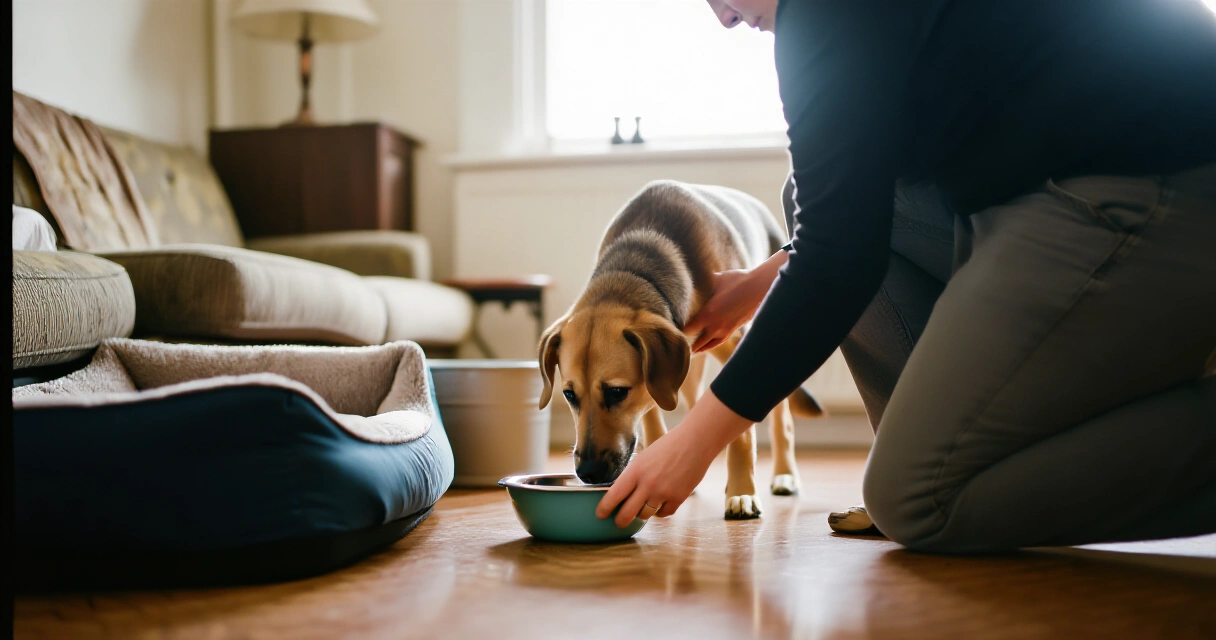
Integrating a dog into my home involves creating a welcoming space. I designate specific areas for eating, sleeping, and playtime. Gradually introducing the dog to various rooms reduces stress. I ensure that family members and other pets follow a calm approach during initial introductions. Consistency in routines helps the dog acclimate more quickly, reducing anxiety and promoting a sense of security.
Training and Socialization
Training and socialization are essential for a well-adjusted dog. I start basic obedience training immediately, focusing on commands like sit, stay, and come. Positive reinforcement techniques, such as treats and praise, motivate my dog. Daily short training sessions reinforce good behavior.
Socialization also plays a vital role. I expose my dog to different environments, people, and other animals. Attending puppy classes or dog parks facilitates positive experiences and builds confidence. Regularly interacting with various stimuli prevents behavioral issues and promotes adaptability. Continual learning and socialization help my dog thrive in various situations.
Conclusion
Bringing a dog into your home is an exciting journey filled with love and companionship. It’s essential to remember that this commitment requires time, effort, and resources. By preparing your home and understanding the responsibilities involved, you can create a nurturing environment for your new friend.
Choosing the right dog that fits your lifestyle is crucial for a harmonious relationship. The adoption process can be straightforward if you take the time to find the perfect match.
Once you welcome your dog, focus on building a strong bond through training and socialization. With patience and dedication, you’ll enjoy a fulfilling partnership that enriches both your lives. Embrace the adventure ahead and give your new furry family member the love they deserve.
Frequently Asked Questions
What should I consider before adopting a dog?
Before adopting a dog, consider your lifestyle, available time, living situation, and financial commitment. Research various breeds to find one that matches your activity level and preferences. Ensure you can provide daily exercise, training, grooming, and social interaction for a healthy and happy pet.
How do I prepare my home for a new dog?
Prepare your home by creating a safe environment. Secure hazardous materials, remove toxic plants, and hide electrical cords. Designate areas for sleeping, eating, and playing, and invest in necessary supplies like food bowls, a comfortable bed, and grooming tools. A clutter-free and safe space helps your dog settle in.
What is the adoption process like?
The adoption process usually starts with finding a shelter or rescue organization. Browse available dogs online, then visit in person to meet pets and assess their environment. Complete an adoption application and undergo an interview to discuss your living situation, helping staff match you with a compatible dog.
How can I bond with my new dog after adoption?
To bond with your new dog, establish a consistent routine for feeding, walking, and playtime. Create designated spaces for their comfort and gradually introduce them to your home. Spend quality time together through activities like training and socialization to build trust and connection.
Why is training and socialization important for dogs?
Training and socialization are crucial for a well-adjusted dog. Basic obedience training helps establish rules and communication. Socialization exposes dogs to various environments, people, and other animals, reducing anxiety and preventing behavioral issues. Consistent training and positive reinforcement create a happier, more confident pet.
Grooming my dog isn’t just about keeping him looking sharp; it’s essential for his health and happiness. Whether you’re a seasoned pet parent or just starting out, understanding the dos and don’ts of dog grooming can make a world of difference. With the right techniques, I can avoid common pitfalls that might stress my pup or even cause injury.
The Dos and Don’ts of Dog Grooming
Dos
Do brush regularly. Brushing removes dirt, debris, and loose fur, promoting a healthy coat and reducing mats.
Do use the right tools. Select tools based on your dog’s coat type, such as slicker brushes for long hair or bristle brushes for short hair.
Do bathe when necessary. Bathe your dog to remove odor and dirt, but avoid over-bathing, which can strip natural oils.
Do check ears and teeth. Regularly examine ears for dirt or wax buildup and teeth for tartar to ensure overall health.
Do trim nails properly. Keep nails short to prevent discomfort or injury. Use pet nail clippers or grinders designed for pets.
Do reward your dog. Positive reinforcement during grooming helps create a stress-free environment and builds trust.
Do learn calming techniques. Use gentle touch and soothing voice tones to keep your dog calm during the grooming process.
Don’ts
Don’t rush the process. Take your time. Rushing can lead to mistakes and stress for both you and your dog.
Don’t use human products. Avoid using shampoos or products made for humans. They may irritate your dog’s skin or coat.
Don’t ignore signs of distress. Watch for signs like growling or attempting to escape, indicating your dog feels uncomfortable.
Don’t skip the inspection. After grooming, always check for lumps, bumps, or skin issues that might require veterinary attention.
Don’t forget about grooming frequency. Establish a regular grooming schedule. Consistency helps keep your dog’s coat healthy.
Don’t overload with distractions. Minimize distractions in the environment to maintain your dog’s focus and comfort during grooming.
Don’t neglect to educate yourself. Keep learning about grooming techniques and best practices to improve your skills and your dog’s experience.
Essential Tools for Dog Grooming
Selecting the right tools is crucial for effective dog grooming. These tools ensure a smoother experience for me and my dog, promoting their health and comfort.
Must-Have Grooming Tools
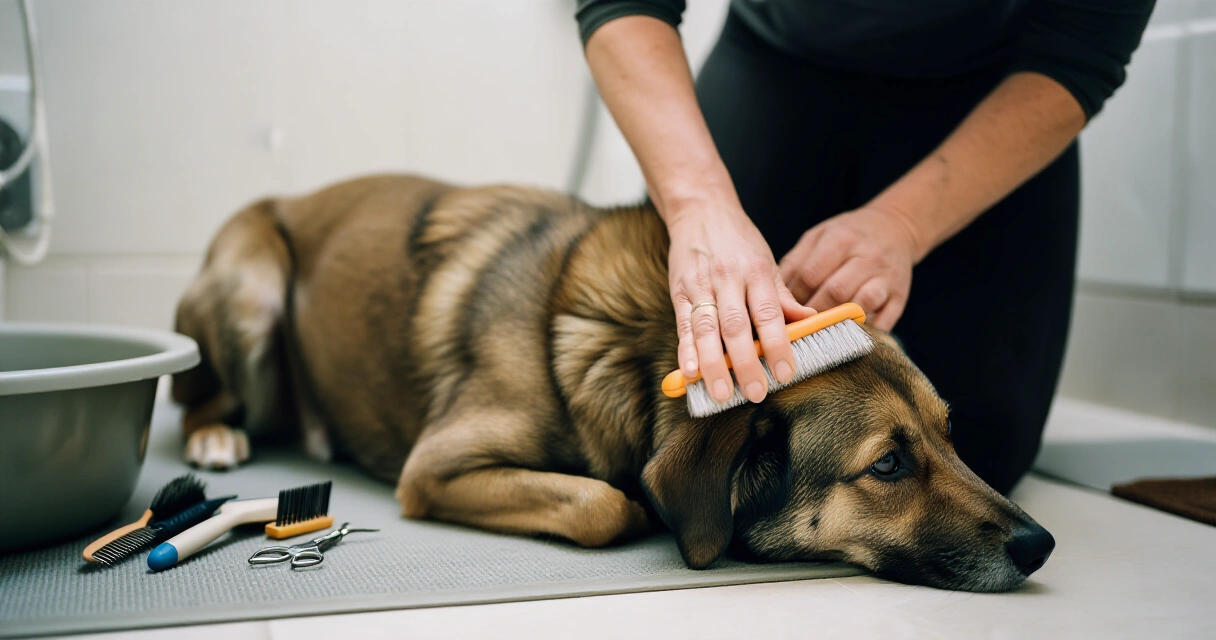
Slicker Brush: A slicker brush removes mats and tangles, especially in long-haired breeds. It features fine, short wires that glide through the coat.
Bathing Tools: A dog-specific shampoo and conditioner keep the skin and coat healthy. A detachable showerhead or sprayer simplifies bathing.
Nail Clippers: Nail clippers or grinders help maintain proper nail length. Keeping nails short prevents injury and discomfort.
Ear Cleaner: An ear-cleaning solution and cotton balls prevent wax buildup and infections. Regular cleaning promotes ear health.
Flea Comb: A flea comb identifies and removes fleas, eggs, and debris. This tool is essential for flea control and prevention.
Grooming Scissors: Straight and curved grooming scissors allow for detailing and trimming. They help shape the coat while maintaining its natural look.
Optional Grooming Accessories
De-shedding Tool: A de-shedding tool minimizes shedding by removing loose fur, particularly useful for heavy shedders.
Grooming Apron: A grooming apron keeps hair off my clothes and provides easy access to tools. It’s a practical accessory for a neat grooming space.
Dog Perfume: Dog-safe fragrance sprays enhance the grooming experience. They leave a pleasant scent and promote bond-building.
Dog Dryer: A pet dryer speeds up the drying process after a bath. It prevents chilling and ensures a comfortable grooming experience.
Grooming Table: A grooming table provides a stable surface for my dog during grooming. Non-slip surfaces promote safety and ease.
Pet Clippers: Electric clippers save time on larger breeds or extensive grooming jobs. They simplify trimming and keep coats neat.
Using these tools enhances grooming efficiency while ensuring my dog’s comfort and well-being.
Understanding Your Dog’s Breed
Understanding a dog’s breed is crucial for effective grooming. Different breeds have unique grooming needs based on their physical characteristics.
Coat Types and Care
Coat types vary significantly among breeds and influence grooming techniques.
Short Coats require minimal grooming. A weekly brush keeps them clean and reduces shedding.
Medium Coats benefit from bi-weekly brushing to prevent matting and remove dirt.
Long Coats need regular grooming, ideally every few days, to prevent tangles and mats.
Curly Coats often trap dirt and debris. They should be brushed every week to maintain shape and cleanliness.
Wire-Coated Breeds require hand-stripping about twice a year to manage their unique texture.
Understanding these types helps tailor a grooming strategy that suits each breed’s specific needs.
Grooming Frequency by Breed
Grooming frequency largely depends on the dog’s breed characteristics.
Toy Breeds, like Chihuahuas, typically require grooming every 2-4 weeks.
Small Breeds, such as Poodles, often need grooming every 4-6 weeks, particularly if they have curly coats.
Medium Breeds, like Beagles, usually require grooming every few months.
Large Breeds, such as Golden Retrievers, should be groomed every 6-8 weeks.
Giant Breeds, like Great Danes, can often handle grooming every 8-12 weeks due to their short coats.
These guidelines provide a better understanding of how often to groom various breeds, ensuring their coats stay healthy and manageable.
The Dos of Dog Grooming
Effective dog grooming enhances not only appearance but also health. Implementing the following dos ensures a positive grooming experience for both me and my dog.
Regular Brushing Benefits
Regular brushing promotes a healthy coat and skin by removing dirt and dead hair. It distributes natural oils, which leaves the coat shiny and smooth. I find that brushing also helps identify mats or tangles early, making them easier to address. For dogs with longer fur, brushing two to three times a week is advisable, while shorter-haired breeds can typically be brushed weekly. Lastly, this routine can help reduce shedding significantly, keeping my living space cleaner.
Bathing Techniques
Bathing my dog correctly is vital for maintaining hygiene. I use lukewarm water and apply dog-specific shampoo, avoiding human products that can irritate their skin. It’s important to rinse thoroughly to prevent residue buildup, which can cause itching. I bathe my dog every 1-3 months, depending on breed and activity level. After bathing, I ensure to dry the dog properly, especially the ears, to prevent infections.
Nail Trimming Tips
Nail trimming is essential for my dog’s comfort and health. I trim nails every 3-4 weeks, using sharp, dog-specific clippers. I avoid cutting into the quick, which can cause pain. To make the process smoother, I select a quiet area and have treats ready for positive reinforcement. Gradually introducing my dog to the clippers reduces anxiety and builds trust, making future trims easier.
The Don’ts of Dog Grooming
Understanding what to avoid during dog grooming enhances the experience for both pet and owner. Here are critical points to consider.
Common Mistakes to Avoid
Rushing the process: Rushing often leads to mistakes and stress for the dog. Take time to ensure each step is done correctly.
Using human grooming products: Human shampoos and conditioners can irritate a dog’s skin. Always choose dog-specific products designed for their unique needs.
Ignoring breed-specific needs: Each breed has distinct grooming requirements. Skipping these can result in health issues like matting or skin infections.
Neglecting regular grooming schedules: Missing grooming appointments can lead to excessive tangles or health problems. Consistency is crucial for maintaining a dog’s coat and overall health.
Skipping nail trimming: Long nails can cause discomfort and affect a dog’s movement. Regular trimming every 3-4 weeks prevents this.
Grooming during stressful times: Avoid grooming when your dog might feel anxious, such as after a change in routine. Choose calm periods instead.
Signs of Stress in Dogs During Grooming
Pacing: Dogs that pace often show anxiety. If your dog is restless, take a break.
Whining or barking: Vocalizations can indicate discomfort. Monitor your pet’s sounds for signs of stress.
Biting or snapping: If a dog tries to nip during grooming, it signals a need to reassess the method or take a break.
Excessive panting: Heavy panting can indicate distress. Check the dog’s comfort level and adjust the environment.
Cowering or hiding: Avoidance behavior suggests your dog feels overwhelmed. Offer comfort and a safe space to regroup.
Tail position: A tucked tail often signals fear or discomfort. It’s essential to stop and reassure them.
Changing body language: Signs like lowered ears or stiff bodies indicate stress. Recognizing this allows for a positive grooming experience.
Being aware of these mistakes and stress signs plays a crucial role in creating a successful grooming routine that maintains a dog’s health and happiness.
Conclusion
Grooming my dog is more than just a chore; it’s a vital part of keeping them healthy and happy. By following the dos and don’ts I’ve outlined, I can ensure my grooming sessions are both effective and enjoyable for my furry friend.
Staying patient and attentive to their needs makes a world of difference. It’s all about creating a positive experience that strengthens our bond. I’ve learned that investing time in understanding my dog’s specific grooming requirements pays off in the long run.
With the right tools and techniques, I can maintain my dog’s coat and overall well-being. So let’s embrace the grooming journey together and make it a rewarding part of our routine.
Frequently Asked Questions
Why is dog grooming important?
Dog grooming is essential not just for appearance but also for a dog’s health and happiness. Regular grooming helps prevent mats and tangles, reduces the risk of skin infections, and allows for early detection of health issues.
How often should I groom my dog?
Grooming frequency depends on your dog’s breed and coat type. Short-haired dogs typically need grooming every 2-4 weeks, while long-haired breeds may require grooming every 4-6 weeks. Always customize based on individual needs.
What grooming tools do I need?
Essential grooming tools include a slicker brush, dog-specific shampoo, nail clippers, ear cleaners, and flea combs. Additional items like pet dryers and grooming tables can improve the grooming process, but are optional.
Can I use human grooming products on dogs?
No, human grooming products can irritate a dog’s skin and affect their health. Always use dog-specific shampoos and grooming tools designed for your pet’s needs.
How can I recognize my dog’s stress during grooming?
Signs of stress in dogs include pacing, vocalizations, biting, cowering, and excessive panting. If you notice any of these behaviors, take a break and assess the situation to ensure a calm grooming experience.
What are the dos and don’ts of dog grooming?
Do brush regularly, use appropriate tools, and establish a grooming schedule. Don’t rush the grooming process, ignore specific breed needs, or use human grooming products, as these can lead to stress and health issues.
How do I determine my dog’s grooming needs based on breed?
Understanding your dog’s breed is crucial. Different coat types—short, medium, long, curly, or wire-coated—have varying grooming needs. Research your breed to know the specific frequency and techniques required for grooming.
Is grooming the same for all dog sizes?
No, grooming frequency varies by size and breed. Smaller toy breeds may need grooming every 2-4 weeks, while larger breeds can manage grooming every 8-12 weeks. Tailor your routine to your dog’s specific requirements.
As a dog owner, I know how important it is to keep my furry friend happy and healthy. However, just like us, dogs can experience anxiety, and it’s crucial to recognize the signs early on. Whether it’s a thunderstorm, a trip to the vet, or changes in their environment, my pup might show subtle cues that something’s bothering him.
In this article, I’ll explore common signs of anxiety in dogs and share effective strategies to help them feel more at ease. Understanding these behaviors not only strengthens our bond but also ensures our beloved pets lead a more comfortable and stress-free life. Let’s dive into the world of canine anxiety and discover how we can support our four-legged companions.
Signs Your Dog Might Be Feeling Anxious
Recognizing anxiety in dogs includes noting both behavioral and physical signs. Identifying these symptoms allows for timely interventions.
Common Behavioral Signs
Excessive Barking: Dogs often bark more than usual when anxious. This vocalization serves as a response to perceived threats or stressors.
Destructive Behavior: Chewing furniture, digging, or scratching can indicate anxiety. These actions often stem from a need to release pent-up energy or frustration.
Pacing and Restlessness: Dogs may walk in circles or continuously move around if they feel uneasy. This behavior reflects their inability to settle down.
Withdrawal or Hiding: An anxious dog may retreat to a safe space, avoiding interaction with people or other pets. This withdrawal signals stress or fear.
Urine Marking: Increased urine marking in the house can be a sign of anxiety. This behavior often occurs when a dog feels anxious in its environment.
Physical Symptoms
Panting: Dogs might pant excessively, even when not hot. This can be a response to stress, indicating their discomfort.
Trembling: Shaking or trembling may occur during stressful situations, such as loud noises. This physical response often signals fear.
Dilated Pupils: Watch for enlarged pupils in anxious dogs. This symptom indicates a heightened state of alertness and apprehension.
Loss of Appetite: An anxious dog may refuse to eat. A sudden decrease in appetite can suggest emotional distress affecting their regular routine.
Changes in Body Language: Tucked tails, lowered ears, and avoidance of eye contact signify anxiety. These indicators demonstrate a dog’s discomfort and distress.
Causes of Anxiety in Dogs
Identifying the root causes of anxiety in dogs is essential for providing appropriate support. Various factors, including environmental triggers and health-related issues, can significantly impact a dog’s emotional well-being.
Environmental Triggers
Environmental factors often contribute to a dog’s anxiety. Loud noises, such as thunderstorms or fireworks, can cause distress. Changes in routine, like moving to a new home or new family dynamics, may lead to feelings of uncertainty. Encounters with strangers, such as delivery personnel or unfamiliar pets, also create stress. Additionally, confinement in small spaces or being left alone for extended periods can exacerbate anxiety. Recognizing these environmental triggers helps in creating a more comfortable environment for anxious dogs.
Health-Related Issues
Health-related issues can manifest as anxiety in dogs. Pain from injuries or chronic conditions, such as arthritis, may lead to increased stress levels. Neurological disorders can also cause anxiety-like behaviors. Hormonal imbalances, like those seen in unspayed female dogs during their heat cycles, can provoke anxiety. By regularly visiting a veterinarian for check-ups, I can ensure my dog’s health is assessed and treat any underlying issues contributing to anxiety.
How to Help Your Anxious Dog
Helping an anxious dog involves creating a secure environment and implementing specific strategies tailored to their needs. Here are effective ways to support your pet.
Creating a Safe Space
Creating a safe space gives your dog a retreat during stressful situations. Choose a quiet area in your home furnished with their bed, toys, and familiar scents. Consider using a crate or a designated room to serve as their sanctuary. Familiar items, like blankets and clothes, can enhance comfort. Block off any potential disturbances, like loud noises, and ensure this space remains easily accessible.
Behavioral Training Techniques
Behavioral training techniques promote confidence and reduce anxiety in dogs. Start with positive reinforcement methods, rewarding calm behavior with treats or praise. Implement desensitization by gradually exposing your dog to anxiety triggers in a controlled manner. Counter-conditioning can also help by associating positive experiences, such as treats or play, with triggers that cause fear. Practice basic commands, like sit or stay, to instill structure and predictability in their environment.
Professional Help and Treatment Options
Professional help becomes essential for severe anxiety cases. Consulting a veterinarian provides insight into health-related causes of anxiety. They may recommend medication to assist with behavior management. Additionally, a certified animal behaviorist or trainer can offer specialized training plans tailored to your dog’s unique challenges. Services like pet therapy or anxiety-reducing treatments, such as pheromone diffusers or calming supplements, further support anxious dogs.
Preventing Anxiety in Dogs
Preventing anxiety in dogs involves proactive measures during their early development and maintaining stability in their daily lives. Implementing specific strategies can significantly reduce the likelihood of anxiety in dogs.
Early Socialization
Early socialization introduces dogs to various environments, people, and experiences. Starting at an age between 3 to 14 weeks, it’s crucial to expose puppies to diverse situations, sounds, and other animals. Engaging in puppy classes or playdates fosters positive interactions and boosts confidence. Positive experiences during this period create a foundation for a well-adjusted adult dog, which can decrease anxiety levels later on.
Consistent Routines
Establishing consistent routines contributes to a sense of security for dogs. Dogs thrive on predictability, so setting regular feeding, walking, and playtimes creates a stable environment. Adhering to a daily schedule minimizes stress and helps dogs understand what to expect throughout the day. Consistency reduces anxiety stemming from sudden changes, thereby promoting a calm demeanor.
Conclusion
Recognizing anxiety in my dog is crucial for their well-being. By paying attention to both behavioral and physical signs, I’m better equipped to help them feel secure. Creating a safe space and using positive reinforcement can make a significant difference in alleviating their stress.
It’s also important to identify any underlying issues that might contribute to their anxiety. Regular vet check-ups and consistent routines can provide the stability my dog needs. With the right approach, I can support my furry friend and foster a happier, more confident companion.
Frequently Asked Questions
What are the common signs of anxiety in dogs?
Dogs may exhibit behavioral signs like excessive barking, destructiveness, restlessness, withdrawal, or increased urine marking. Physical symptoms include panting, trembling, dilated pupils, loss of appetite, and changes in body language like tucked tails and lowered ears. Recognizing these signs early is crucial for intervention.
What causes anxiety in dogs?
Anxiety in dogs can stem from environmental triggers like loud noises, changes in routine, or encounters with unfamiliar people. Additionally, health-related issues, including pain from injuries or neurological disorders, can lead to anxiety. Regular veterinary check-ups are essential for identifying underlying health problems.
How can I create a secure environment for my anxious dog?
To help your anxious dog, establish a safe space at home where they can retreat during stressful moments. Use familiar items like blankets or toys to enhance comfort. Blocking potential disturbances and minimizing loud noises can help create a more secure environment for your pet.
What behavioral training techniques can help reduce a dog’s anxiety?
Positive reinforcement, desensitization, and counter-conditioning are effective techniques for reducing anxiety in dogs. These methods promote confidence by rewarding desired behaviors and gradually exposing the dog to stressors in a controlled manner. Consistency and patience are key in these training approaches.
When should I seek professional help for my anxious dog?
If your dog’s anxiety is severe or persistent despite your efforts, seeking professional help is advised. A veterinarian or certified animal behaviorist can provide tailored insights, medication, and specialized training plans to better support your dog’s emotional well-being and address their anxiety effectively.
How can I prevent anxiety in my dog?
Preventing anxiety in dogs involves early socialization and maintaining consistent routines. Expose puppies to various environments and experiences between 3 to 14 weeks of age to foster positive interactions. Additionally, establishing regular feeding, walking, and playtimes helps create a sense of security and stability.
People especially pet owners need to be aware of what animal abuse actually is. It is your responsibility to become aware of animal cruelty and how you can prevent it.
Make yourself aware of what animal abuse really is.
It is your responsibility to become aware of animal cruelty and how you can prevent it.
Raise your voice:
They can’t speak for themselves, but you can. If you see any animal being abused to talk. If you witness cruelty to animals, contact authorities such as local animal control, humane society, or the police. If you ignore animal abuse, you are a part of it. Remember people who abuse animals are five times more likely to abuse humans.
Respect:
Growing up, not everyone was taught at school or at home that animals should be respected. Some think it’s okay to chain animals, or to put them in cages. Can you spend your life in one room? No, you will lose your mind. In order to educate people otherwise, the talk has to be given to local schools. You can organize assemblies or community talks to raise awareness in your community and your children. If children learn about cruelty to animals and respect for animals from a young age, they will continue to do so, and educate others too.
Legal:
Choose to change your community. Look for political candidates who support animal protection. Visit or contact their headquarters and find out what they have been doing in the community for animal rights. You can also contact your current representative, and ask them to spread the word or start an animal protection program. There are laws that make animal abuse illegal.
Give:
Make a donation to local animal shelters and animal protection organizations. These organizations will provide more animals with shelter, food to eat and so that they can be properly cared for. If you are short on cash, you can always give them your time, a few hours each week to help them. You can submit your opinion in a news paper, write your thoughts on a blog, or in your social media circles. Be part of a social project, and help animals. Find some free time and start fundraising in your community to help these animals.
Precaution:
Choose with your wallet. Avoid purchasing products that require animal or mammal skin testing or hair. Don’t buy pets from stores or websites. Just visit the local animal shelter you adopt or buy from a trustworthy breeder. Work with groups, or organizations working for this purpose. Keep checking your environment. Tell your friends and family to do the same in their community. We have no right to exploit animals for our own purposes. We can work and hope that this will give these harmless and pleasant animals a better tomorrow.





Recent Comments